- 92.5%
- best accuracy separating COPD from non-COPD cases
- 56
- clinical participants in the evaluation
- 2
- sensing paths: airflow and lung sound
The question
Can COPD screening leave the clinic and still capture useful evidence?
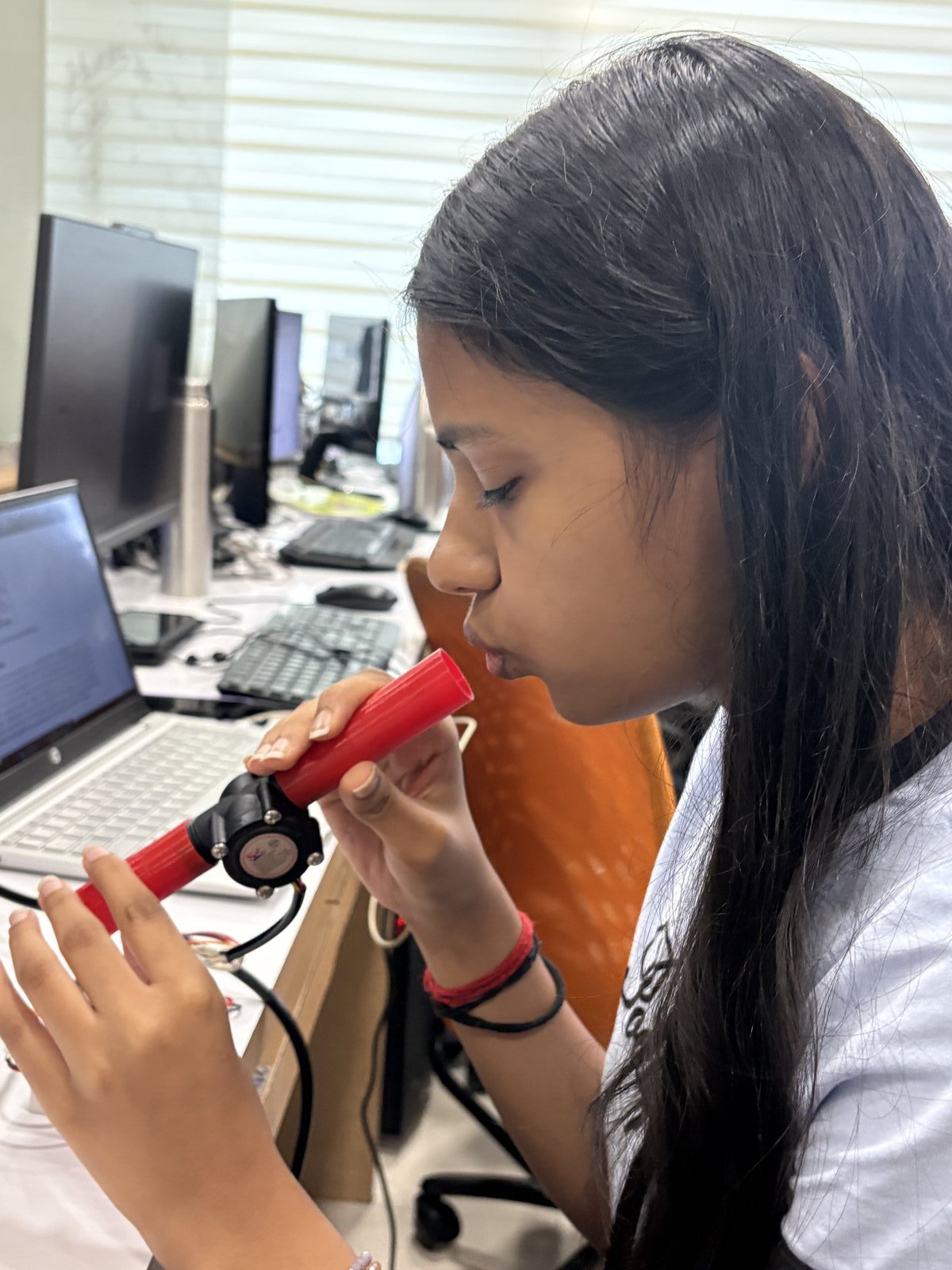
Conventional spirometry needs trained staff and dedicated equipment. CoughScope brings the core measurements into one portable prototype: forced airflow through a pressure sensor and respiratory sound through a microphone. Two signals describe the same breath better than either one alone.
The device
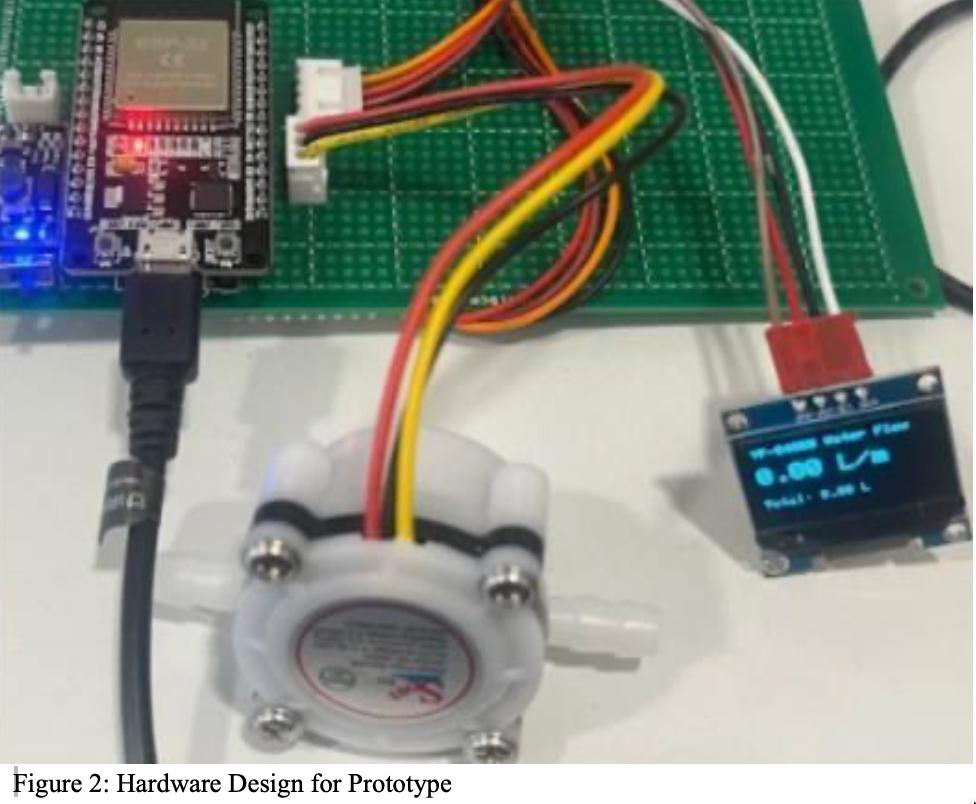
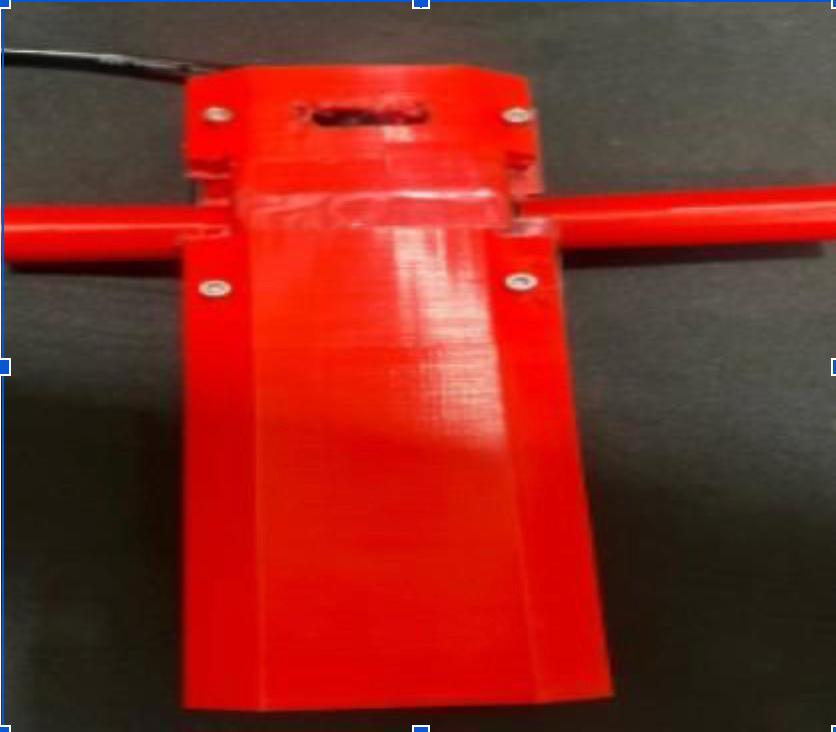
An ESP32 coordinates a pressure-based airflow sensor, a high-sensitivity microphone and an OLED display. It captures forced expiratory measurements while recording cough and lung-sound features for analysis.
The signal pipeline
Raw breath signals carry baseline drift, room noise and big differences between people. The chain cleans them up before any model sees them.
- Capture airflow and lung sound
- Remove baseline drift and noise
- Normalize amplitude
- Extract DFT and MFCC features
- Classify with lightweight models
MFCC extraction uses pre-emphasis filtering, windowing, an FFT, Mel-scale mapping and a discrete cosine transform. Those acoustic features are evaluated alongside spirometry measures such as FEV1, FVC and peak expiratory flow.
The result
I compared a support vector machine, K-nearest neighbors, a decision tree and a shallow neural network. The best reached 92.5% accuracy in separating COPD from non-COPD cases across data from 56 clinical participants.
Video
Recognition and next steps
CoughScope received a Gold CREST Award from the British Science Association in June 2026. It was also an ExSTEMplar ASTRYC 2026 Phase 3 Finalist and was invited to the Phase 4 Final Showcase.
I presented the working guidebook to health teams at two NGOs. Both agreed to support on-site testing during their annual health check-up camps.
- CREST Gold certificateBritish Science Association, June 2026